



ZAMBIA CELEBRATES 62 YEARS OF INDEPENDENCE: THE STORY OF HOW THE NATION BROKE FREE FROM BRITISH RULE
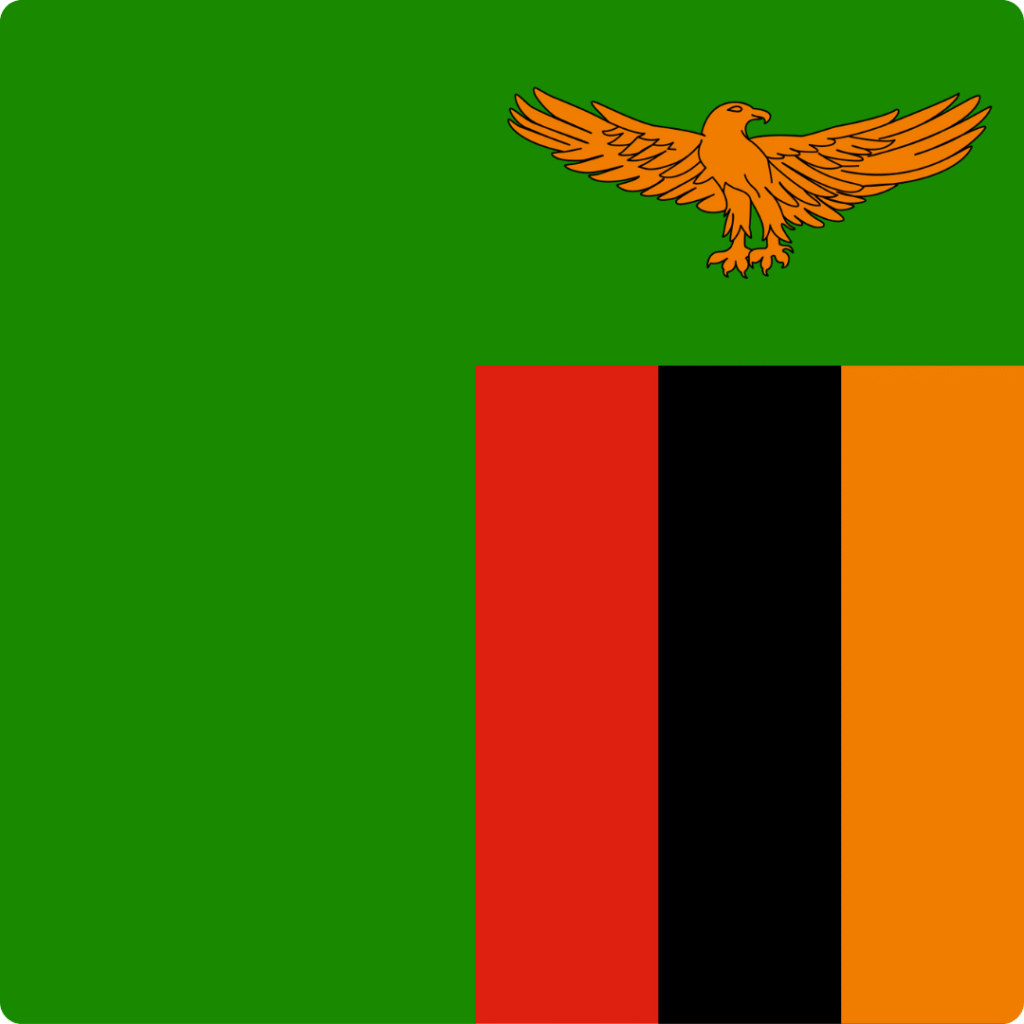
Zambia marks 62 years of independence on October 24, 2026, commemorating the historic day the former British-controlled territory of Northern Rhodesia became a sovereign nation, with Kenneth Kaunda emerging as its first president.
Zambia is celebrating its Independence Day today, October 24, marking 62 years since it gained freedom from British colonial rule in 1964. Beyond the celebrations, the anniversary recalls a long struggle for self-government, the determination of African nationalists and the political journey that transformed Northern Rhodesia into the Republic of Zambia.
How the Struggle for Independence Began
Before independence, Zambia was known as Northern Rhodesia and was under British colonial administration. Its economy was heavily associated with copper mining, a resource that made the territory economically important but also became part of wider debates over who controlled its wealth and political future.
In 1953, Northern Rhodesia was joined with Southern Rhodesia, now Zimbabwe, and Nyasaland, now Malawi, to form the Federation of Rhodesia and Nyasaland. The arrangement faced opposition from African nationalists who feared that it would strengthen white settler influence and limit the political aspirations of the African majority.
Resistance to the federation helped strengthen the movement for self-government. African political leaders, workers and communities increasingly demanded greater representation and the right to govern their own affairs. The federation was eventually dissolved at the end of 1963, opening the way for Northern Rhodesia to move towards independence.
Kenneth Kaunda and the Fight for Freedom
One of the most prominent figures in the independence struggle was Kenneth Kaunda, a former teacher who became a leading nationalist politician.
Kaunda was involved in the African nationalist movement before helping establish the political movement that eventually became the United National Independence Party (UNIP). His activism brought him into conflict with the colonial authorities, and he was imprisoned in 1959 after the authorities banned the Zambian African National Congress.
After his release, Kaunda became a leading figure in the campaign for independence. UNIP gained widespread political support, and Kaunda won the January 1964 election that made him prime minister of Northern Rhodesia.
His journey from teacher and political activist to national leader became an important part of Zambia’s independence story.
The Historic Night of October 24, 1964
The decisive moment arrived on October 24, 1964, when Northern Rhodesia officially became the independent Republic of Zambia.
Kaunda became the country’s first president, marking the end of British colonial rule and the beginning of a new chapter in the nation’s history. The change came less than a year after the dissolution of the Federation of Rhodesia and Nyasaland.
Since then, October 24 has been observed annually as Independence Day, a national occasion celebrating the country’s freedom and sovereignty.
Zambia’s Role in Africa’s Wider Freedom Struggle
Zambia’s independence came at a significant time for the African continent. Several countries were still struggling against colonial rule or white minority governments, particularly in Southern Africa.
Under Kaunda, Zambia later supported liberation movements fighting minority rule in neighbouring territories. The country became an important location for regional political activity, including efforts opposing apartheid in South Africa and white minority rule in what was then Rhodesia.
This history connected Zambia’s own independence with the wider struggle for freedom across Southern Africa.
Zambia at 62: Remembering the Journey
As Zambia celebrates its 62nd Independence Day in 2026, the anniversary offers an opportunity to remember the people who helped secure its freedom and reflect on the country’s journey since 1964.
From its days as Northern Rhodesia to its emergence as an independent republic, Zambia’s history illustrates how organised political movements, public pressure and changing regional circumstances helped bring colonial rule to an end.
October 24 remains more than a date on the calendar. It represents the beginning of Zambia’s journey as a self-governing nation and a lasting reminder of the struggle that preceded its independence.
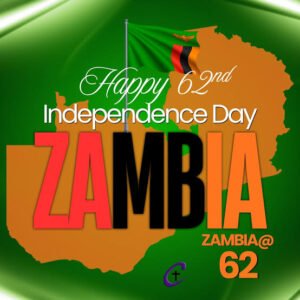
Happy 62nd Independence Day to Zambia and its people at home and across the world !
Love from TrendyBaze